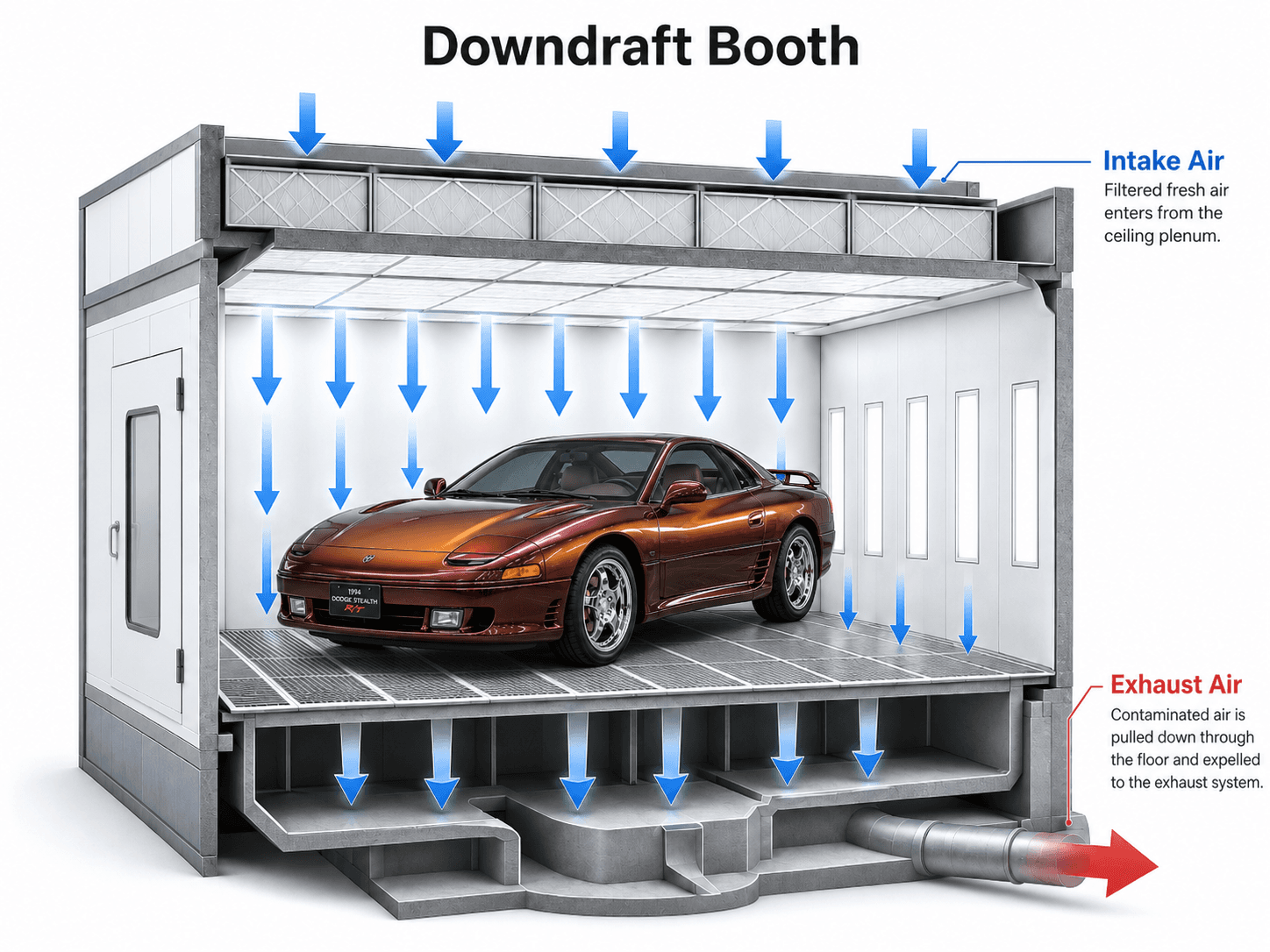

Spraybake · Downdraft
Spraybake Performance
Filter kit, alternatives, and current pricing for the Performance.
Required filters
Recommended kit for this booth
2 matched filters across 3 slots.
Complete kit total · $445.90
Intake side (clean air going in) (2 slots)
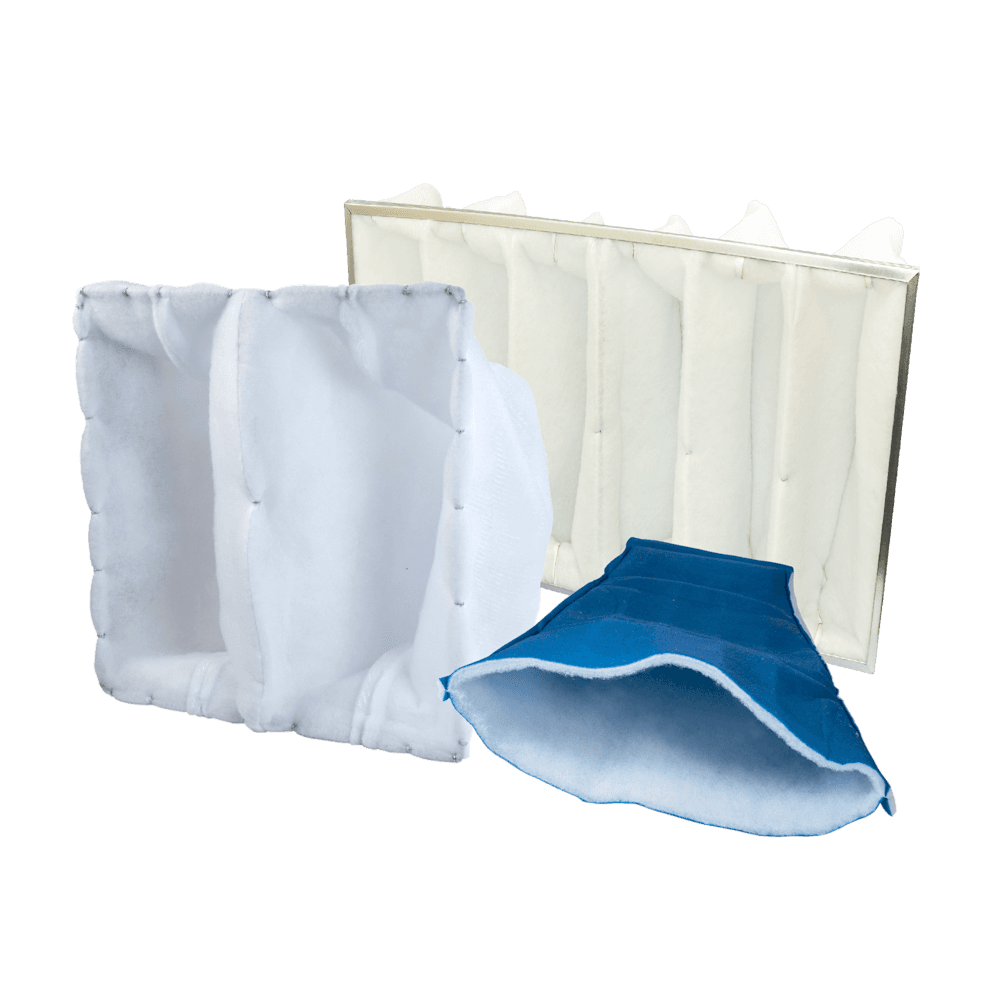
AMU pre-filter
AMU pocket bag pre-filter · 30x60
Special order · 1–2 weeksAFT 5-Pocket Bag 45% w/Header 24x24x20 (4/CS)
BFP-PB-AFT-2425C· 60–90 day cycleWas $349.44$297.02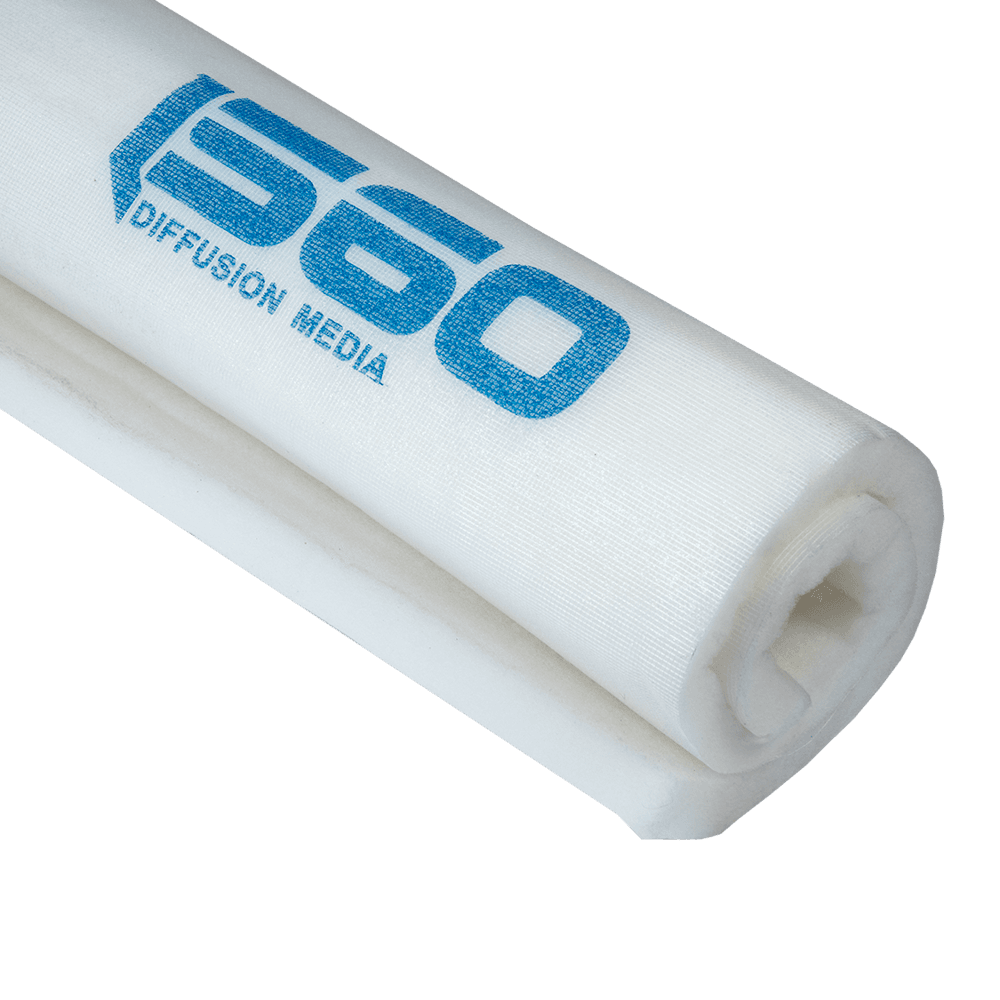
Ceiling intake
Ceiling diffusion polyester · 60x312
Special order · 1–2 weeksFiltrair FF560GX 60x312 Ceiling Diffusion (PA560G-10), Spraybake Performance
BFP-CD-FILTRAIR-FF560-60312· 30–60 day cycleQuote on request
Exhaust side (overspray coming out) (1 slot)
Exhaust Secondary
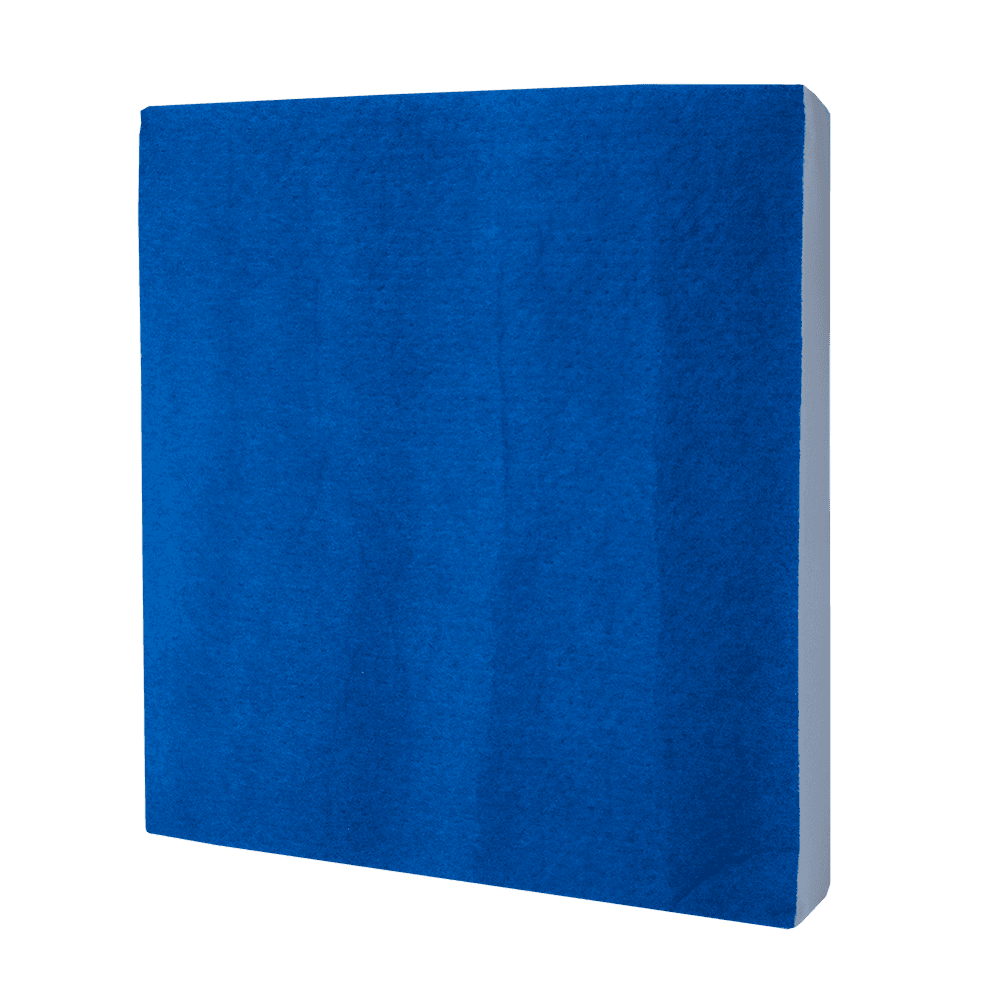
Polyester exhaust arrestor · 36x288
Special order · 1–2 weeksAFC PEY 2in High-Efficiency Polyester Exhaust 20x20
BFP-PE-AFC-PEY· 7–14 day cycleWas $175.15$148.88
Not finding the right match?
We carry many filters beyond what's shown here. Tell us about your booth and we'll send you a price and ship ETA within one business day.
Don't see your filter? Request a quote →Spraybake model • Performance
Spraybake Performance Filter Program
A two-stage exhaust train plus twin 26-foot ceiling runs: the Performance rewards shops that stage their media correctly.
Spraybake's Performance shows up in AFT catalog records with a filter set that tells you how the booth was engineered: long, continuous ceiling media instead of a panel checkerboard, and an exhaust train built in two stages rather than one sacrificial layer. The catalog documents the ceiling as two filters in the 60 by 312 format, each a 26-foot run of diffusion media. Like the rest of the UK-built Spraybake line, its fitments are catalog-discovered: documented at the SKU level, with your installation confirmed on the first order. The manufacturer Spraybake is not the generic "spray bake booth" of shop slang; these formats belong to this line specifically.
Quick answer
The cheapest way to run a Spraybake Performance is to let the inexpensive media die so the expensive media does not have to. This UK-built downdraft runs a two-stage exhaust: a fiberglass paint arrestor first stage (documented as 32-gram poly-back roll stock, 30 by 165 by 4, SKU 14AG30165PB) in front of dry polyester second-stage pads (36 by 241 by 1, SKU 026436242, and 35 by 288 by 1, SKU 026436282). Up top, the ceiling takes two long Filtrair FF560GX diffusion runs, documented at 60 by 312 (SKU 02560603122) with a 60 by 342 length also cataloged (SKU 02560603422). The AMU runs 30 by 60 pocket-bag prefilters, sold by the case of five (SKU 11AFP30605) or singly (SKU 11AFP30601).
How Performance shops choose filters
Exhaust staging, the part shops get wrong. The fiberglass roll is stage one: the cheap, thick (4-inch) progressive-loading layer that catches the bulk of the overspray. The dry poly pads behind it are stage two, a thin (1-inch) polishing layer protecting the fan and stack. Run correctly, the fiberglass changes on a short cycle and the poly on a long one. Stretch stage one past loaded and the overspray blows through and kills the poly early, and the poly is the format that comes in 20-plus-foot pieces. Replace the full stage-one run each cycle.
Intake side. Two Filtrair FF560GX ceiling runs at 60 by 312, with a 60 by 342 length in the same media also documented for longer configurations. FF560GX is a progressive-density polyester diffusion media; its job is laminar, even downward air over the vehicle. Confirm which length your plenum takes before the first order, then it never changes.
AMU stage. The 30 by 60 pocket-bag prefilters guard the make-up air unit. The five-per-case option exists because these should be turning over regularly; a shop burning one case a year is probably running them too long.
Regulatory landscape
Two-stage exhaust is where NFPA 33 gets concrete for this booth: accumulated overspray in the exhaust path is a combustible deposit, and the standard expects it controlled and removed on a schedule, which is exactly what the fiberglass-then-poly train does when both stages cycle on time. EPA 6H (NESHAP Subpart HHHHHH) requires collision spraying to happen in a filtered, ventilated booth maintained per design; on the Performance, "per design" means both exhaust stages present and within loading limits, not just one. OSHA 1910.94(c) sets the ventilation requirement that failing exhaust media quietly erodes, since a plugged exhaust train drops face velocity long before anything alarms.
Who runs the Performance
The Performance suits shops with throughput. Multi-bay collision operations run them because the two-stage exhaust holds airflow steady deeper into a heavy spray schedule than a single-stage booth. Fleet and commercial refinishers like the long-format media for the same reason: fewer, more predictable change-outs. The familiar third group inherited a Performance and is meeting roll-stock exhaust and 26-foot ceiling runs for the first time; one fitment check does the identification and reorders become routine.
Performance filter FAQs
What is the change interval on the fiberglass roll versus the poly pads?
No fixed interval is documented for this booth, and honest suppliers do not invent one, because loading depends on spray volume and coating type. The working rule: stage one changes on a short cycle set by static pressure or visible loading, stage two goes several stage-one cycles between changes. Your first few change-outs calibrate the schedule.
Do I really need the second-stage poly pads?
Yes, if your booth was built with them, and this one was. Removing stage two pushes fine overspray into the fan, ductwork, and stack, and it takes the exhaust train out of its designed configuration, which is a compliance problem as well as a maintenance one. Stage two is the insurance layer; it is cheap to keep only because stage one is doing its job.
Which ceiling length do I order, 312 or 342 inches?
Measure your plenum runs once. Both lengths are documented in the same FF560GX media at 60 inches wide, and the difference maps to booth configuration. If the tape measure result is ambiguous, send photos through a fitment check and the length gets confirmed before anything ships.
Can I substitute cheaper generic media for the Filtrair FF560GX ceiling?
The ceiling slot needs progressive-density diffusion media in the documented dimensions; the FF560GX SKUs are what the catalog cross-reference ties to this booth. Substitutions that match media class and dimensions can work, but bargain diffusion media with uneven density shows up directly in finish quality. The ceiling is the last thing air touches before your paint does.
How is the Performance different from the Spraybake Advantage for filters?
Different formats throughout. The Advantage runs a single very large ceiling pad and panel-format exhaust; the Performance runs twin long ceiling strips and a roll-plus-pad two-stage exhaust. The brand is the same, the consumables are not interchangeable, so order against the model, not the brand.
Sources
Primary references cited on this page.
- NFPA 33, Standard for Spray Application Using Flammable or Combustible Materialshttps://www.nfpa.org/codes-and-standards/nfpa-33-standard-development/33
- EPA 40 CFR Part 63 Subpart HHHHHH (NESHAP 6H)https://www.epa.gov/stationary-sources-air-pollution/national-emissions-standards-paint-stripping-and-miscellaneous
- OSHA 29 CFR 1910.94(c), Ventilation: spray finishing operationshttps://www.osha.gov/laws-regs/regulations/standardnumber/1910/1910.94
Related on BoothFilterPro
- All Spraybake models
Brand hub
- Advantage / Advantage 2000
Sibling Spraybake model
- Spraybake legacy booth
Sibling Spraybake model