
Global Finishing Solutions
Global Finishing Solutions Truck/Bus Booth
Filter kit, alternatives, and current pricing for the Truck/Bus Booth.
Required filters
Recommended kit for this booth
2 matched filters across 3 slots.
Complete kit total · $560.02
Intake side (clean air going in) (2 slots)
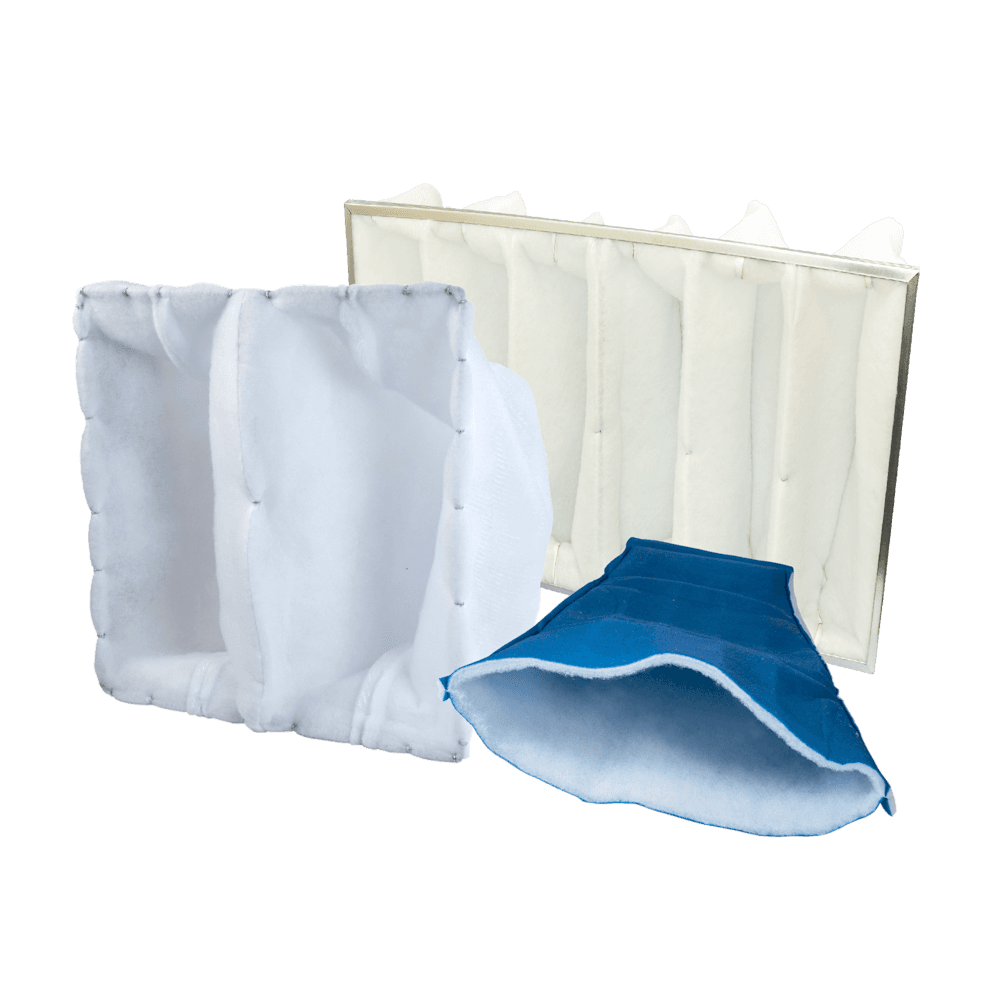
AMU pre-filter
AMU pocket bag pre-filter · 19.5x36.75x10
Special order · 1–2 weeksViledon F45A 1/1 High Performance Pocket Filter
BFP-PB-VILEDON-F45A· 60–90 day cycleWas $349.44$297.02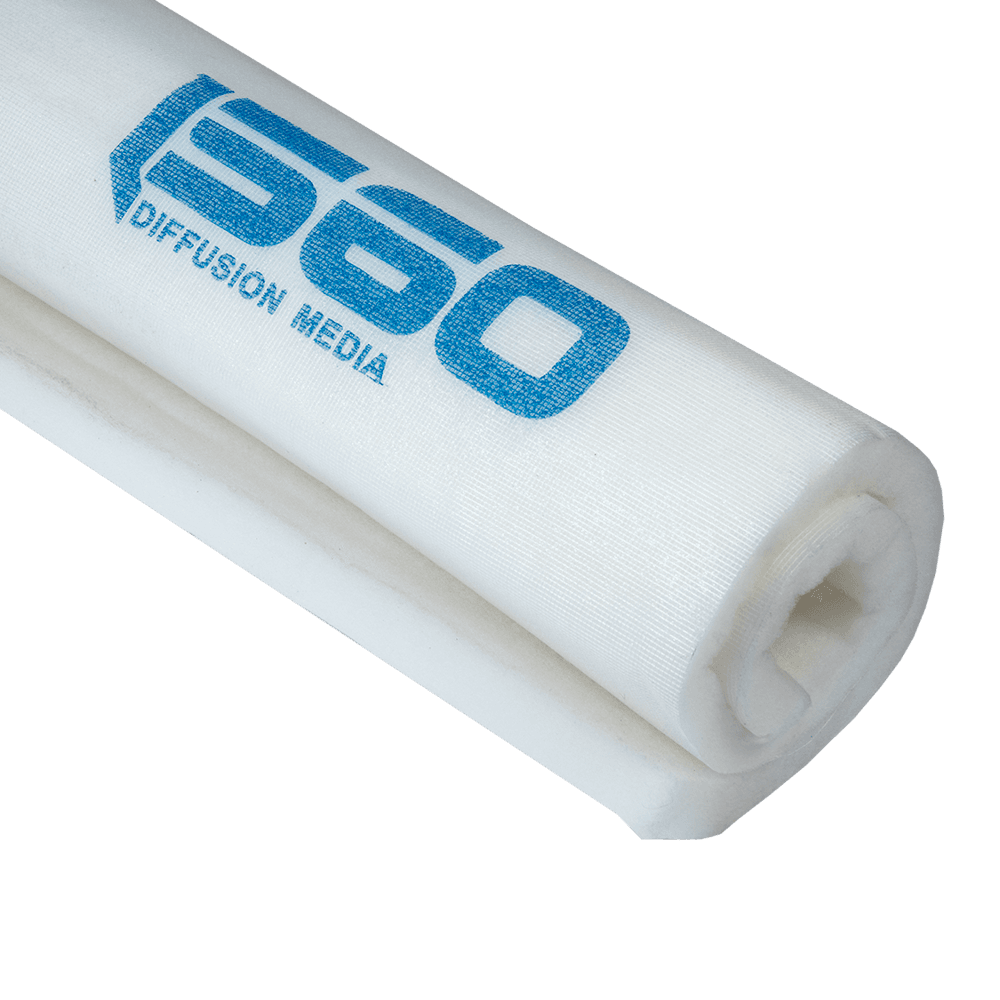
Ceiling intake
Ceiling diffusion polyester · 64x108
Special order · 1–2 weeksFiltrair FF560GX 65x120 Ceiling Diffusion (PA560G-10)
BFP-CD-FILTRAIR-6512· 30–60 day cycleQuote on request
Exhaust side (overspray coming out) (1 slot)

Pit exhaust
Fiberglass exhaust arrestor · 30x300ft
Special order · 1–2 weeksAFT 22-gram Fiberglass Roll 30x300ft
BFP-FG-AFT-22G-30R· 7–14 day cycleWas $309.41$263.00
Not finding the right match?
We carry many filters beyond what's shown here. Tell us about your booth and we'll send you a price and ship ETA within one business day.
Don't see your filter? Request a quote →Global Finishing Solutions model • Truck/Bus Booth
Global Finishing Solutions Truck/Bus Booth Filter Fitments
The Truck/Bus Booth is GFS's answer to the commercial-vehicle finishing problem: a passenger-car booth simply isn't big enough for a tractor cab, a transit bus body, or a motorcoach shell. GFS scales the Ultra-class downdraft engineering up to commercial-vehicle dimensions, wider ceiling, deeper exhaust pit, longer footprint, more airflow capacity. The Truck/Bus Booth is found in fleet-maintenance shops, OEM truck-body finishers, transit-agency paint facilities, and motorcoach refurbishers across the country. We stock the verified intake-ceiling and exhaust-pit fitments cross-referenced from authorized GFS distributors, with cycle cadence calibrated to commercial-vehicle workload.
Quick answer
The GFS Truck/Bus Booth is the oversized commercial-vehicle spray booth in the GFS catalog, engineered for class-7 and class-8 trucks, transit buses, school buses, motorcoaches, RVs, and similar large-format vehicles that don't fit in a passenger-car or light-truck booth. Filter kit selection covers the expanded ceiling-diffusion intake plus the larger exhaust-pit pad family scaled to commercial-vehicle airflow. Source confidence on this fitment is authorized-dealer cross-reference, the kit ships with a quote-back form to upgrade to field-verified before subscription auto-renews.
How Truck/Bus Booth shops choose filters
Intake side. The Truck/Bus Booth runs an expanded GFS downdraft pressurized ceiling-plenum with diffusion-grade media filling a much larger panel grid than a passenger-car Ultra. Polyester ceiling diffusion is the catalog default; fiberglass diffusion is available for cleaner ambient profiles. The expanded ceiling area means more total media per kit, but the cycle cadence per panel runs similar to passenger-car downdraft because the airflow scales with the booth.
Exhaust side. The Truck/Bus Booth exhaust pit is wider and deeper than a passenger-car Ultra, more pad media per shipment, with the same fiberglass-arrestor catalog default and polyester-arrestor upgrade path. Heavy-truck and transit-bus coating systems often involve high-build primers and specialized topcoats that load exhaust media differently than passenger-car waterborne basecoat, the polyester-arrestor is more common on commercial-vehicle workloads. Our 25-entry filter media taxonomy distinguishes 12 exhaust types (fiberglass-arrestor, polyester-arrestor, accordion-paper, paper-mesh, pocketed-paper, cube-overspray-arrestor, tower-exhaust-pocket-bag, plus five more) alongside 9 intake types and 4 specialty types. The Truck/Bus Booth verified-fitment kit names the specific media-type slug per slot.
Slot expectations are queued for re-mapping. Honesty note: the booth-model slot expectations row for the GFS Truck/Bus Booth in our database is currently flagged in the verification queue as pending re-mapping against the new 25-entry filter media taxonomy (we expanded from 9 to 25 media types on 2026-05-09). The kit you receive is correct, we're updating the metadata record, not the physical fitment.
Cycle math. Commercial-vehicle workloads cycle longer than passenger-car collision because production tempo is scheduled rather than reactive, fewer vehicles per week but each vehicle takes longer in the booth. Intake ceiling at 45-75 days; exhaust pit at 21-45 days; AMU pre-filter at 90-120 days. Subscription delivery calibrates per position.
Regulatory landscape
Truck/Bus Booth installations sit under varied NESHAP source categories depending on the operator. Independent commercial-vehicle refinishers fall under Subpart HHHHHH 6H Area Source. OEM truck-body finishers may sit under Subpart MM (paper and other web coating, when applicable) or other industrial product subparts depending on product mix. Transit-agency paint facilities operate under municipal or agency-level air-quality compliance plus federal OSHA spray-finishing standards (29 CFR 1910.94). Subscription delivery records produce the maintenance log audit-ready under any of those regimes, with capture-efficiency documentation accompanying every shipment.
Who runs the Truck/Bus Booth
Three populations dominate the Truck/Bus Booth installed base. First, fleet-maintenance shops at trucking carriers and logistics operators that handle in-house refinish for tractor cabs, trailers, and dock equipment. Second, OEM truck-body and bus-body finishers, Blue Bird, Thomas Built, Gillig, Nova, MCI, Prevost regional facilities, plus the various trailer manufacturers. Third, transit-agency paint facilities at metropolitan transit authorities that maintain in-house bus-fleet refresh capability. Each archetype draws different cycle cadences from the same fitment family.
Truck/Bus Booth filter FAQs
How do I confirm I have the GFS Truck/Bus Booth versus an oversized industrial GFS configuration?
The nameplate inside the booth names the model. The Truck/Bus Booth is identifiable by its commercial-vehicle footprint, the booth interior dimensions accommodate class-7/8 tractors and full-size transit buses, which the standard Ultra-line cannot. If the nameplate is illegible, the Filter Finder accepts a photo of the booth interior plus a measurement of the booth's interior length and width to confirm against the verified-fitment list.
What's the source confidence on this fitment, and what does that mean for me?
Distributor-cross-ref, currently. Kit dimensions and slot count come from authorized-dealer parts cross-references in our authorized-dealer cross-reference import, high-confidence but not yet field-verified. The first kit shipment includes a measurement quote-back form. When you paste back your verified measurements, the record upgrades to field-verified and your subscription locks in. If your measurements differ from the cross-ref data, we ship a corrected kit at no charge.
Why does the catalog default to polyester-arrestor exhaust on commercial-vehicle?
Heavy-truck and transit-bus coating systems often involve high-build primers, urethane topcoats, and specialized fleet-color systems that load exhaust media faster than passenger-car waterborne basecoat. Polyester-arrestor handles those higher-solids coatings without compressing the cycle as aggressively as fiberglass would. If you're running standard automotive-grade refinish on commercial-vehicle work, fiberglass-arrestor is appropriate.
Can I use the Truck/Bus Booth fitment kit in a smaller GFS Ultra?
No, the Truck/Bus Booth slot dimensions are scaled up specifically for the commercial-vehicle footprint. The intake-ceiling panels and exhaust-pit pads are physically larger than passenger-car Ultra fitments and won't fit smaller booths.
Does the Truck/Bus Booth have an AMU pre-filter?
Most installations do, commercial-vehicle finishing benefits from conditioned make-up air, especially for OEM and transit-agency work where finish quality is contractually specified. The AMU pre-filter is a separate subscription cadence at 90-120 days. Some independent fleet-maintenance installations were spec'd without AMU; the Filter Finder confirms based on your specific configuration.
What's the airflow CFM on the Truck/Bus Booth?
The verified-fitment record draws from authorized-dealer cross-references rather than fabricating an airflow number, actual CFM varies significantly by booth configuration and footprint. Your install documentation or a GFS dealer-channel inquiry gives you the exact spec for your booth. The filter kit fitment is keyed to slot dimensions, not CFM directly.
Sources
Primary references cited on this page.
- GFS, Owner Manuals (publicly accessible)https://globalfinishing.com/resources/owner-manuals/
- Authorized-Dealer Parts Cross-Reference (authorized-dealer cross-reference)internal:distributor-cross-ref-2026-04
Related on BoothFilterPro
- All Global Finishing Solutions models
Brand hub
- REVO Speed
Sibling Global Finishing Solutions model
- Ultra XR
Sibling Global Finishing Solutions model
- Ultra XS
Sibling Global Finishing Solutions model
- Ultra XL
Sibling Global Finishing Solutions model
- General Purpose Booth
Sibling Global Finishing Solutions model